
SolutionsSmart Agriculture
Smart Agriculture
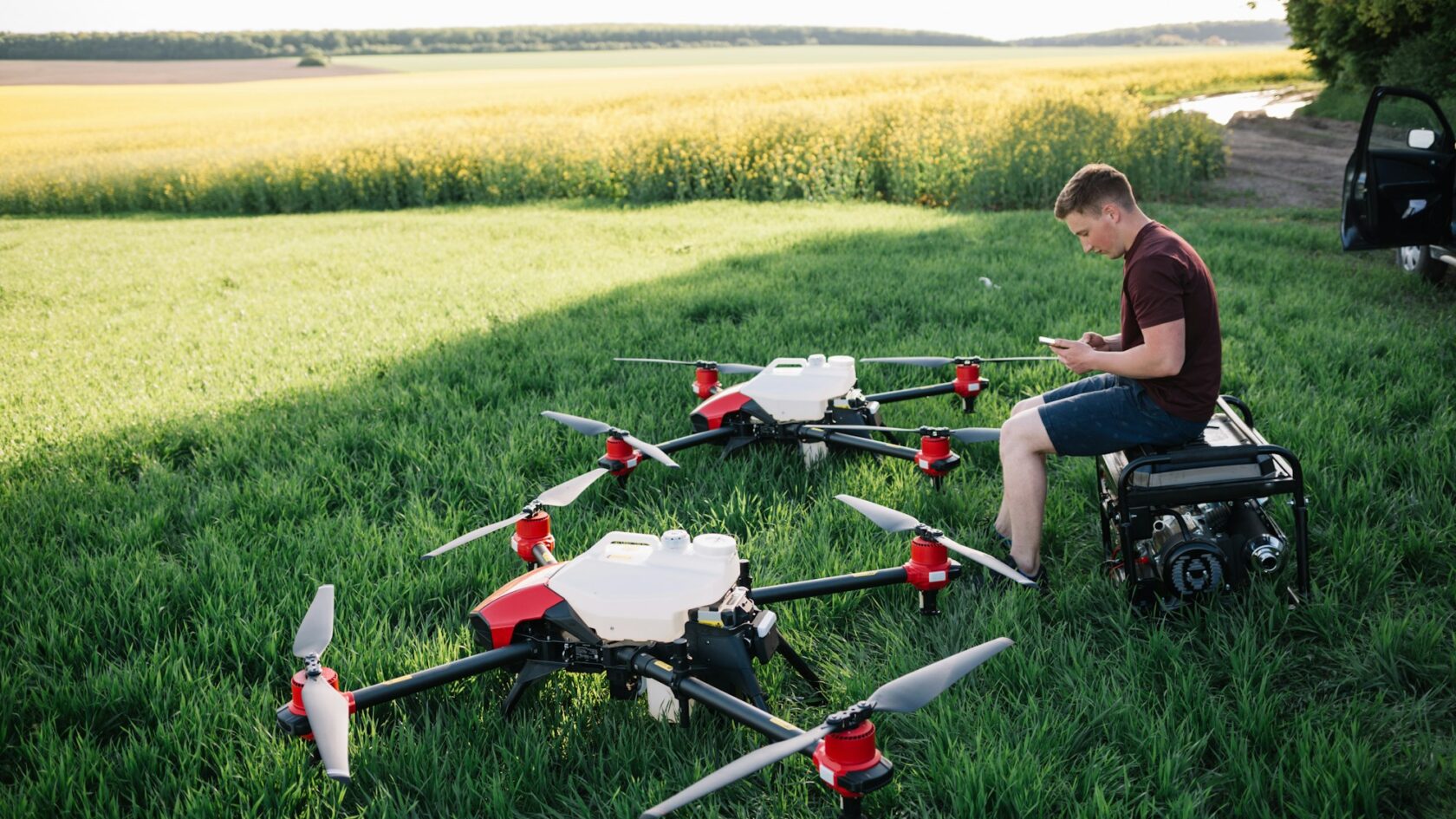
Cutting-edge technology applied to farming practice, raising productivity and supporting sustainable growth.
Benefits of Smart Agriculture
Why it matters
Smart agriculture, driven by advanced technologies like soil sensors, offers numerous benefits that enhance farming practices, crop yields, and environmental sustainability. Here’s a breakdown of the key benefits associated with smart agriculture in the context of soil fertility, precision agriculture, smart irrigation, and greenhouse monitoring.
Real-time data minimizes the risk of over-fertilization or under-fertilization, reducing waste and lowering the environmental impact of excessive fertilizer use.
Smart irrigation systems can help manage water use during drought conditions, ensuring that crops receive adequate moisture without unnecessary waste.
Efficient resource management and reduced input costs (like fertilizers and water) lead to significant cost savings for farmers.
Greenhouse monitoring systems enable consistent production throughout the year, independent of seasonal variations.
Soil Fertility And Precision Agriculture
Use case
Challenge
Farmers often rely on manual soil testing and observations to decide on fertilizer application and irrigation, leading to time-consuming, imprecise, and delayed decisions. Many times, soil fertility is unknown, and fertilizer use is based on past experience and informal recommendations.
Solution
Sensors that measure soil moisture, salinity, pH, dissolved oxygen, phosphorus, and nitrogen offer precise, real-time data for making informed fertilization and irrigation decisions. Additionally, sensors for micronutrients like boron (B), chloride (Cl), copper (Cu), iron (Fe), manganese (Mn), molybdenum (Mo), nickel (Ni), and zinc (Zn) help ensure plants receive the balanced nutrients they need for healthy growth and maximum yield. This enables farmers to apply fertilizers more accurately based on actual soil requirements.
Smart Irrigation
Use case
Connecting an orchard’s irrigation valves to a controller or linking a water pump to a distant remote pond can be both challenging and costly when done with wiring. Additionally, rodents often damage wires on electrical fences around cattle fields and crops. Water infrastructure on farms—including intakes, pumps, pipes, troughs, dams, tanks, ditches, and effluent ponds—spans extensive areas, making it difficult to ensure all components are functioning correctly or to plan for future needs such as droughts, heavy rains, or changes in river levels. Farmers frequently irrigate fields without measuring soil moisture or checking weather forecasts.
These challenges can be addressed with LoRaWAN infrastructure, which offers wireless connectivity. By using water sensors—such as those for water levels, stream and canal flow, and irrigation flow—along with soil fertility sensors and weather stations, farmers can receive real-time data through a cloud-based app. This allows them to efficiently monitor and manage their farm’s irrigation system from a single platform.
Greenhouse Monitoring
Use case
Develop an affordable and easily deployable greenhouse temperature monitoring solution to enhance plant growth rates and reduce energy consumption within the greenhouse.
LoRaWAN sensors provide ongoing temperature monitoring across various areas of the greenhouse, issuing alerts if temperature or humidity levels deviate from the optimal range.
Weather Station
Use case
Farmers base decisions on planting, watering, fertilizing, and harvesting using regional weather data, which can sometimes be inaccurate. They need to manage seed temperature and humidity during the drying process while accounting for variable weather conditions.
Farm-based weather stations deliver real-time, hyper-local weather data, enhancing accuracy and relevance for farmers. These modular stations allow farmers to customize sensor configurations based on the specific crop, ensuring they receive essential information while optimizing costs. In real-time, farmers can assess how weather conditions—such as CO2 levels, light pollution, humidity, and temperature—affect drying processes, helping to prevent over or under-drying and maximizing equipment efficiency.
Livestock
Use case
Livestock monitoring is essential for breeding farms, where managing cattle accidents, diseases, and thefts pose significant challenges. Regular manual inspections of both equipment and livestock are necessary to address these issues effectively.
IoT sensors and devices offer numerous benefits for livestock breeding. Autonomous trackers attached to a cow’s ear or collar can continuously monitor key health indicators such as temperature, heart rate, head movement, and overall mobility. These vital signs allow for the early detection of anomalies, like elevated temperature or decreased mobility, which may signal stress or illness. Prompt identification enables quick action, such as isolating sick cattle from the herd to prevent the spread of disease. Additionally, IoT sensors can predict optimal fertility periods and anticipate calving, helping to reduce mortality rates, improve fertility, and ultimately increase profitability.
LoRaWAN
Built on coverage designed for range and low power
Our deployments run on an extensive regional LoRaWAN network, delivered with leading operators for reliable, uninterrupted service at an affordable price.
Other solutions
Explore
 01Smart BuildingIoT and automation combined to improve energy efficiency, strengthen security, and lift occupant comfort.Learn more
 02Smart CityAdvanced technology applied to urban infrastructure, sustainability, and quality of life for residents.Learn more
03Smart UtilitiesDigital technology that streamlines the management and distribution of energy, water, and waste.Learn more
02Smart CityAdvanced technology applied to urban infrastructure, sustainability, and quality of life for residents.Learn more
03Smart UtilitiesDigital technology that streamlines the management and distribution of energy, water, and waste.Learn more
 04Smart TrackingGPS and IoT working together for real-time oversight of assets, vehicles, and personnel.Learn more
 05Smart IndustryIoT, AI, and data analytics integrated into manufacturing to raise productivity and operational efficiency.Learn more
 06Data Visualization and ApplicationIntricate data converted into clear visual insight, so decisions are made on evidence.Learn more
 Start a conversation
Contact
Speak with
Khandaker Anwar
Founder and CEO
Mobile and LinkedIn
Mind Maprs, Bilquis Tower, 3rd Floor, Plot 6, Road 46, 2nd Circle, Gulshan 2, Dhaka-1212