

SolutionsSmart City
Smart City
Advanced technology applied to urban infrastructure, sustainability, and quality of life for residents.
Benefits of Smart City
Why it matters
A Smart City enhances urban living by improving public services, optimizing energy use, and streamlining transportation. It boosts safety through advanced technology and promotes environmental sustainability. Economically, it fosters growth and innovation, while data-driven governance leads to better decision-making. Smart cities also offer personalized services and significant cost savings, making urban life more efficient, connected, and sustainable.
Smart city initiatives enhance the quality of life for residents by providing efficient public services, reducing traffic congestion, and improving access to healthcare, education, and other essential services.
Smart transportation systems, including real-time traffic monitoring, smart parking, and connected public transit, lead to smoother traffic flow, reduced emissions, and more accessible transportation options.
Smart technologies optimize energy consumption through smart grids, streetlights, and buildings, reducing waste and lowering overall energy costs.
Smart city platforms enable more transparent, responsive, and data-driven governance, improving citizen engagement and allowing for more efficient allocation of resources.
Smart Street Lighting
Use case
Challenge
Currently, streetlights are usually controlled by a single switch, which can be activated manually, on a fixed schedule, or via a daylight sensor. However, this method lacks flexibility, as the entire system is either fully on or off. Moreover, identifying lamp failures or grid malfunctions relies on night-time checkup teams, who must manually inspect the system.
Solution
Smart streetlight control solutions combine lighting infrastructure with advanced communication, hardware, and software technologies. This integration leads to substantial energy savings and lower maintenance costs. The intelligent control system continuously monitors the electrical parameters of the lamps and grid, delivering precise malfunction alerts and reducing the need for manual inspections.
Smart Parking Management
Use case
High demand can put pressure on a city’s parking system, making it difficult to maintain efficient service. By connecting parking spaces with IoT technology, the city can monitor and optimize occupancy. Installing sensors in each space allows for real-time data collection, which can be centralized, processed in the cloud, and analyzed to identify usage patterns. This data-driven approach helps the city manage parking more effectively and adjust to demand, leading to improved service and better use of available spaces.
Our LoRa parking sensors enhance the parking experience by providing real-time occupancy data, which can be analyzed by parking operators. This data is displayed on road signs and apps, helping drivers easily find available spots. The ECCL IoT platform ensures seamless connectivity, simplifying the management process for cities and parking operators. Smart Parking IoT goes beyond just managing spaces and improving traffic flow; it also offers a new revenue opportunity. Our system allows for dynamic pricing strategies based on usage patterns, unlocking additional potential for cities and parking operators.
Smart Environmental Monitoring
Use case
Air pollutants such as CO2, particulate matter (PM), ozone, and nitrogen dioxide present significant health and environmental dangers. Noise pollution also negatively impacts citizens’ well-being. Urban water resources, including rivers, lakes, and swimming pools, can pose safety hazards, while many city drainage systems remain inefficient. Monitoring water levels in rivers and canals is essential for providing early flood warnings.
IoT sensors can monitor a wide range of environmental factors, including air quality (CO2, dust, noise levels, temperature, radiation), soil moisture, water quality, and flood risks. LoRaWAN technology enables this monitoring even in remote areas, with sensors offering years of battery life. By deploying environmental IoT sensors, cities can remotely and in real-time track environmental changes, enabling them to forecast and take action to reduce air, water, and noise pollution and prevent flooding. This system also provides citizens with accurate, up-to-date information about air quality.
LoRaWAN
Built on coverage designed for range and low power
Our deployments run on an extensive regional LoRaWAN network, delivered with leading operators for reliable, uninterrupted service at an affordable price.
Other solutions
Explore
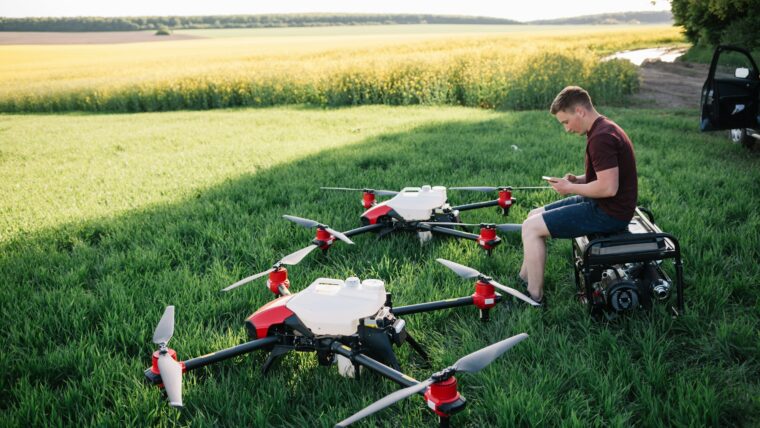 01Smart AgricultureCutting-edge technology applied to farming practice, raising productivity and supporting sustainable growth.Learn more
 02Smart BuildingIoT and automation combined to improve energy efficiency, strengthen security, and lift occupant comfort.Learn more
03Smart UtilitiesDigital technology that streamlines the management and distribution of energy, water, and waste.Learn more
 04Smart TrackingGPS and IoT working together for real-time oversight of assets, vehicles, and personnel.Learn more
 05Smart IndustryIoT, AI, and data analytics integrated into manufacturing to raise productivity and operational efficiency.Learn more
 06Data Visualization and ApplicationIntricate data converted into clear visual insight, so decisions are made on evidence.Learn more
Start a conversation
Contact
Speak with
Khandaker Anwar
Founder and CEO
Mobile and LinkedIn
Mind Maprs, Bilquis Tower, 3rd Floor, Plot 6, Road 46, 2nd Circle, Gulshan 2, Dhaka-1212